When people search for yarn quality control, they usually want one simple thing: confidence. I understand that very well, especially with bouclé yarn. In fancy yarn, texture is not a small detail. It is the whole point. If the loops are uneven, the halo looks wrong, or the contrast knots feel off, the finished piece will not have the look the knitter expected.
I started Lamur Yarn because I care deeply about how fancy yarn feels in the hand and how it behaves in a real project. In this article, I want to show you how I think about quality control in our Suifenhe mini-factory, and what we review before yarn is packed and sent out.
Why Consistency Matters So Much in Fancy Bouclé Yarn
With many yarn types, buyers focus first on color, softness, or fiber content. With bouclé yarn, those things matter too, but the visual texture is central. The loops, the mohair-type halo, and the contrast knots are what give the yarn its personality.
That also means small differences are easier to notice. If one ball has a fuller loop effect and another looks tighter, or if the halo reads softer in one section than another, the project can lose the balanced look that made the yarn appealing in the first place.
For hand knitters and crocheters, consistency helps with planning. If you are making a cardigan, blanket, bag, slippers, pet clothing, accessories, or home decor, you want the yarn to keep the same character across the project.
That is why I take yarn quality control seriously. In fancy yarn, quality is not only about avoiding defects. It is also about protecting the exact look that made someone choose that yarn.
What We Make In-House and Why That Matters
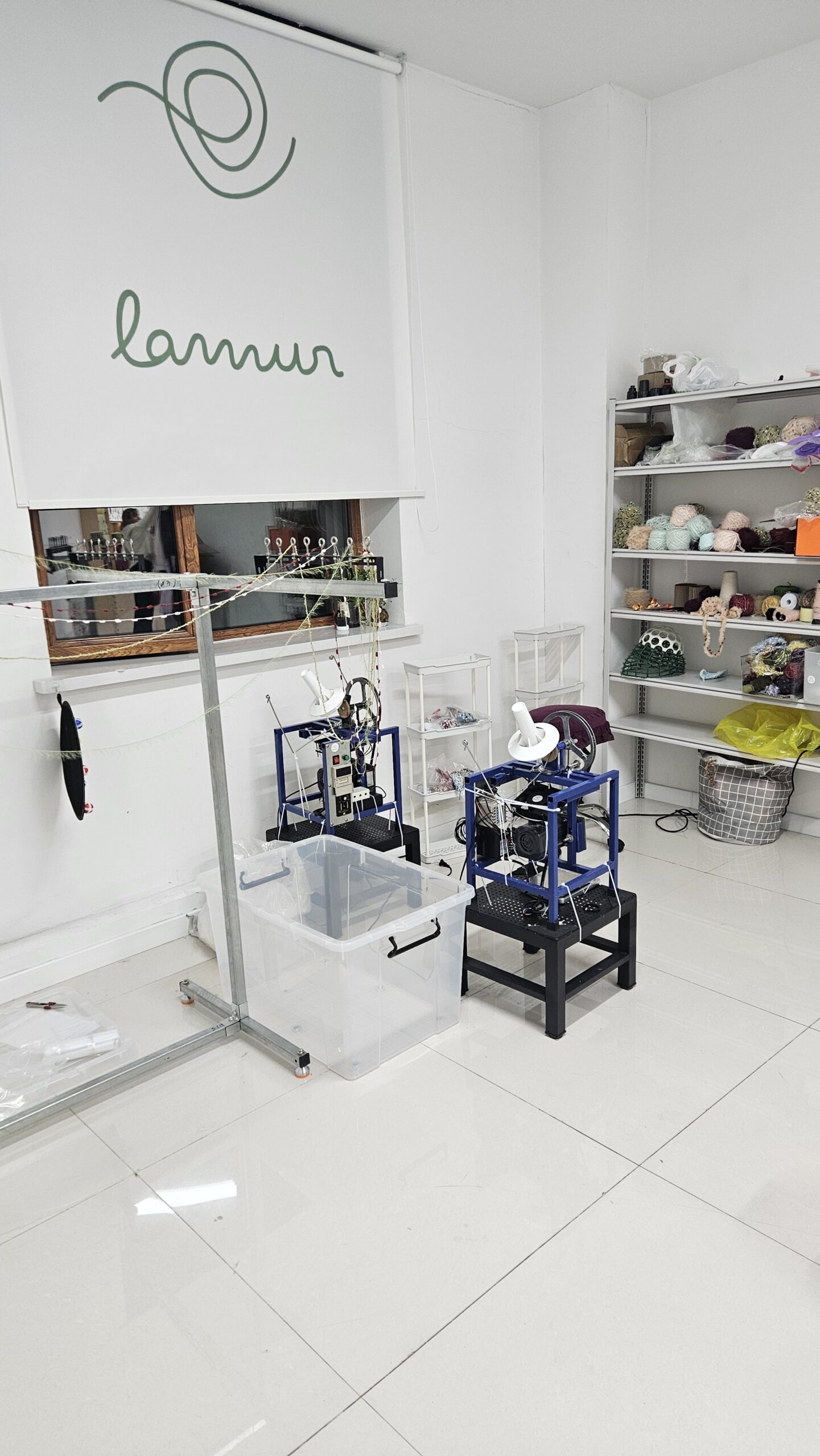
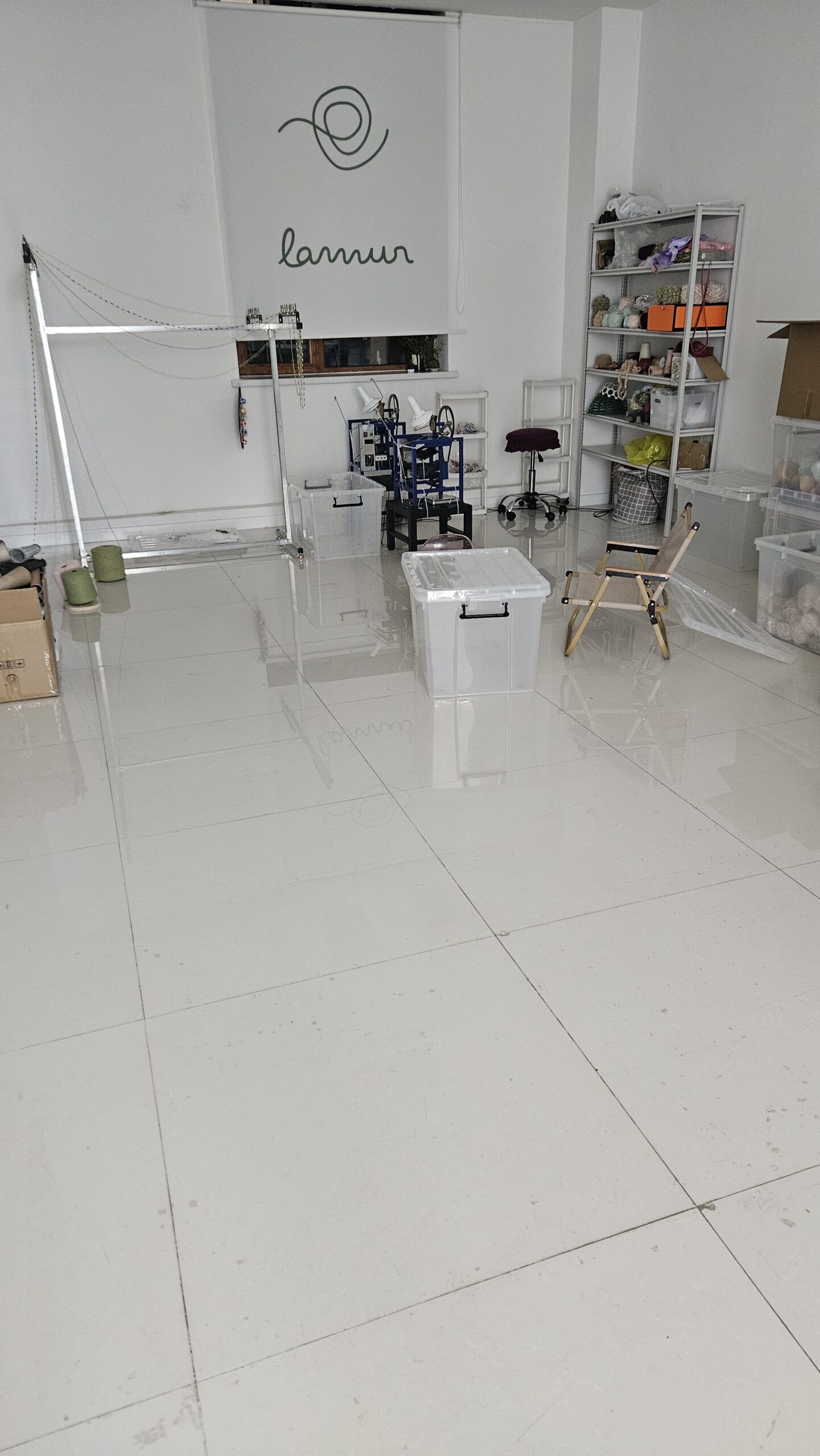
At Lamur Yarn, we twist our fancy bouclé yarn in-house in our mini-factory in Suifenhe, Heilongjiang, China. For me, this matters because it gives us direct control over the yarn’s appearance before it is packed.
Our bouclé yarn is built around the texture details people come to us for: bouclé loops, a mohair-type halo, and contrast knots. Because this yarn is twisted in-house, I can focus closely on whether that visual effect is coming through the way it should.
I think this is especially important with fancy yarn, because buyers do not choose it only by specification. They choose it because of the feeling it creates. The yarn has to look right, not just exist on a label.
If you want to see the styles we currently offer, you can browse our bouclé yarn product catalog. For retail orders, you can also visit the Lamur Yarn shop.
Our Core Quality Checks During Production
The most important production-stage check we use is manual twist inspection. This is the heart of my approach to quality control for bouclé styles.
I do not believe fancy bouclé yarn can be judged well by numbers alone. Specifications matter, of course, but so much of this yarn’s value is visual and tactile. Manual twist inspection lets me pay attention to the features that define the yarn’s final look.
During this inspection, I watch the texture details that make our yarn what it is. I look closely at whether the bouclé loops read properly, whether the halo effect appears the way it should, and whether the contrast knots support the intended style rather than distracting from it.
This may sound simple, but for fancy yarn it is essential. The structure has to feel coherent. A good bouclé yarn should look expressive without looking messy. It should feel textured without seeming uncontrolled. That balance is exactly what manual inspection helps protect.
Because we make these yarns in-house, I can stay close to that stage. I am not relying only on a finished shipment review after everything is already packed. The visual identity of the yarn is something I want under direct control before it ever reaches a customer.
What We Check Before Every Shipment
Before each shipment, we carry out three core checks: weight, color, and composition. These are the practical checkpoints that support the more visual production control described above.
Weight matters because knitters plan projects ball by ball. Our current bouclé catalog is built around a ball weight of 130 g ± 2 g. That tolerance helps keep orders more consistent for project planning and repeat buying.
Color matters because fancy yarn often depends on the full effect of shade plus texture. In bouclé yarn, color interacts with loops, halo, and knots. If the color is off, the whole look changes.
Composition matters because buyers deserve to receive what was specified. Our current bouclé catalog uses polyester/acrylic blends, with current stock styles based on 80% polyester / 20% acrylic.
We also work with a length tolerance of ±2%. That is an important part of quality control for buyers who compare balls across one order or return to the same style later.
In our current catalog, that means each style keeps its own intended balance of texture and meterage. For example, Red Velvet is listed at 57 m per 130 g ball, Pink Flamingo at 45 m, Marmalade Swirl at 75 m, Fairy Dust at 55 m, Forest Moss at 45 m, Bordeaux Bouquet at 50 m, Lemon Mousse at 77 m, Crème Brûlée at 40 m, and Blush Beige at 80 m. Each one has its own character, and quality control helps preserve that intended format.
How I Judge Wash Performance
Quality control does not end with how yarn looks before it is packed. It also has to connect to real use. That is why we do in-house wash tests.
The result I look for is clear: the yarn keeps its color and does not shed after washing. For me, this is one of the most practical quality standards because it affects what the knitter actually experiences after finishing a project.
If a yarn looks beautiful at first but disappoints after washing, then the quality work was not complete. Fancy texture still needs to hold up in normal use. That is why I see wash performance as part of the same bigger picture as twist, weight, color, and composition.
I wrote more about this in our article on colorfast yarn and wash testing if you would like a closer look at how I think about post-wash performance.
What This Means for Knitters
For individual knitters and crocheters, these checks mean you can buy with a clearer idea of what to expect. When you order a ball or a few balls, you want the yarn you receive to match the look that made you choose it. My goal is to make that choice feel reliable.
What matters most to me is that quality control is not treated as a final formality. It is part of how I protect the appearance of the yarn from production through packing. In bouclé yarn, that care shows up in the details.
If you are exploring our background and approach, you can read more about Lamur Yarn and my founder story.
How to Start with Lamur Yarn
If you are a retail customer, the easiest way to start is simply to choose a style you love and order a ball or two. Our yarns are designed for tactile, decorative projects where texture does the talking, from cardigans and blankets to bags, planters, slippers, and pet clothing.
If you are comparing options and want to understand our range first, I recommend starting with the product catalog to see the current bouclé styles, then visiting the shop for retail ordering.
I believe fancy yarn should feel joyful, but buying it should feel clear and grounded. That is why I wanted to explain my approach to yarn quality control plainly. When texture is the product, the details deserve attention.
FAQ
What quality checks do you do before shipping bouclé yarn?
Before each shipment, we check weight, color, and composition. We also work with a length tolerance of ±2%. During production, we use manual twist inspection to watch the texture details that define our bouclé yarn, including loops, halo, and contrast knots.
What is your bouclé yarn made of?
Our current bouclé catalog uses polyester/acrylic blends, with current stock styles based on 80% polyester / 20% acrylic. This composition supports the textured look we make in-house.
Does your bouclé yarn shed or lose color after washing?
In our in-house wash tests, the yarn keeps its color and does not shed after washing. You can also read more in our article about colorfast yarn and wash testing.
Can I buy just a small amount to try it?
Yes. Our English site is set up for retail customers, so you can order a ball or a few balls through the shop.
If you would like to try our bouclé yarn for yourself, I invite you to visit the shop and order a ball or two with worldwide shipping, or write to us if you have questions.