Fancy yarn is any yarn designed to add visible texture, surface interest, or decorative detail to fabric. Many knitters also call it novelty yarn. If you have ever seen yarn with loops, a fluffy halo, nubs, or mixed-color accents, you have seen this category in action. Among the many fancy yarn types, bouclé yarn is one of the easiest to recognize because of its looped, dimensional surface and soft, full look.
For makers, fancy yarn can change the mood of a project with very simple stitches. For shop owners, it helps to know which structures create which effect before adding new textured yarns to the range. In this guide, we explain what fancy yarn is, how it gets its texture, and why bouclé yarn stands out within the category.
Understanding Fancy Yarn as a Texture Category
Plain yarn is made to look relatively even along its length. Fancy yarn is different. It is built to create a decorative surface, so the yarn itself becomes part of the design.
That is why the term novelty yarn is often used as a synonym. Both terms describe yarns that do more than provide color and structure. They also add texture, contrast, softness, volume, or movement.
Bouclé yarn is a key example. Its loops create a broken, cloud-like surface that looks richer than a smooth strand. In hand knitting and crochet, this means you can get a textured fabric even with basic stitches.
At Lamur Yarn, our core focus is fancy bouclé yarn twisted in-house at our mini-factory in Suifenhe, China. Our bouclé styles are built around decorative effects such as bouclé loops, mohair-type halo, and contrast knots.
How Fancy Yarn Gets Its Texture
Most fancy yarn effects come from structure rather than print alone. Instead of a smooth, even strand, the yarn includes deliberate irregularities that create a more dimensional surface.
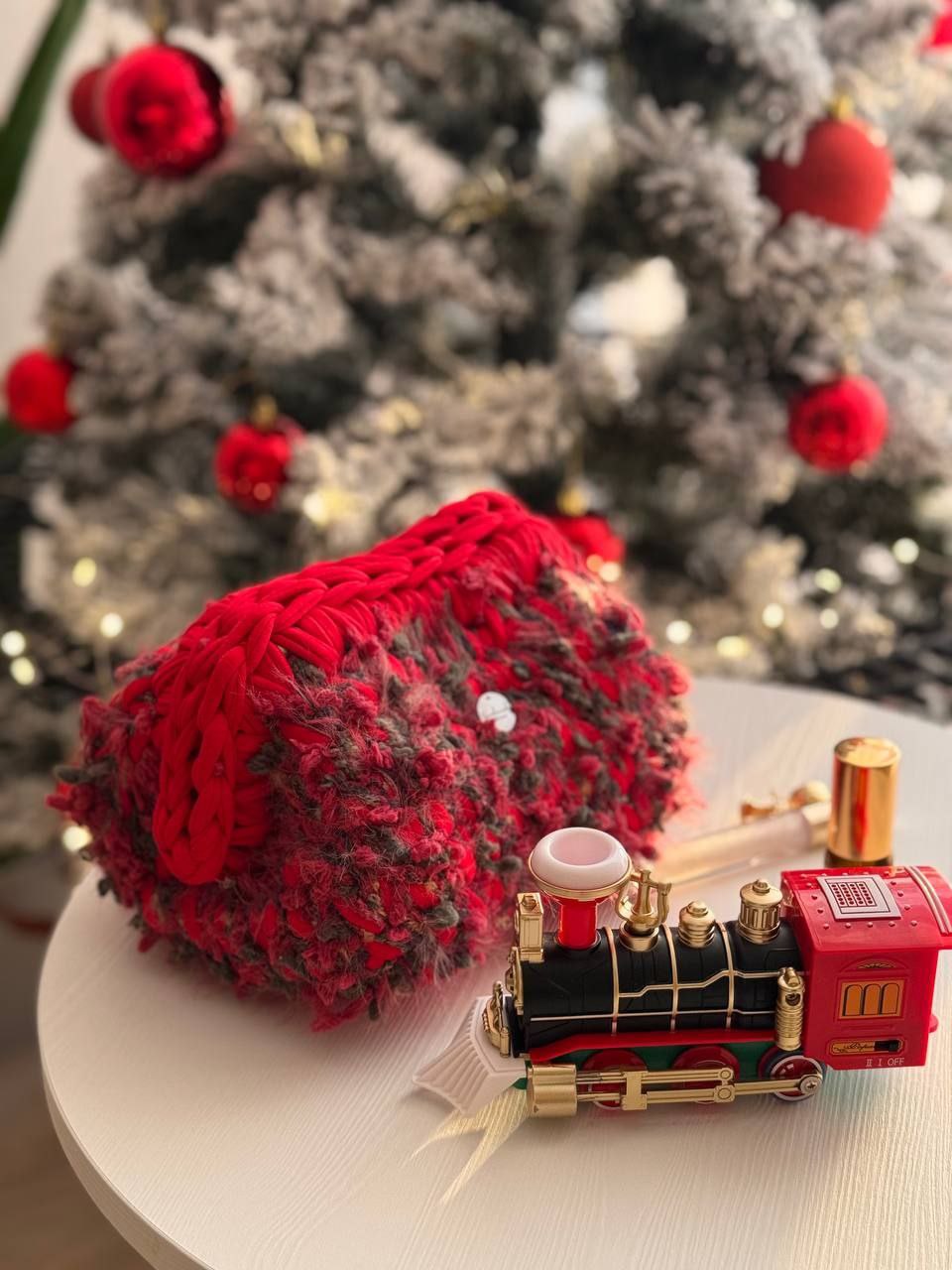
One common effect is the loop. In bouclé yarn, loops sit along the strand and give the finished fabric softness and visible depth. These loops catch light differently from a plain yarn, so the surface feels more layered.
Another effect is halo. A halo makes the yarn appear softer and slightly blurred at the edges. This can help a project feel fuller and more plush, especially in scarves, cardigans, blankets, and accessories.
Contrast details also matter. Knots, slubs, or color accents can break up the surface visually and give the fabric a more decorative character. Even when the stitch pattern is simple, the yarn itself keeps the eye engaged.
For many knitters and crocheters, this is the main appeal of fancy yarn. It lets the material do much of the visual work. Instead of relying on complex stitch patterns, you can use straightforward construction and still get a distinctive result.
Main Fancy Yarn Types to Know
Readers searching for what is fancy yarn usually want a simple map of the category. While names can vary by market and catalog, a few structure-based groups appear again and again.
- Bouclé yarn — known for its looped surface and soft volume.
- Halo yarns — yarns with a fluffy outer appearance that softens the stitch definition.
- Knotted or nubbed yarns — yarns with raised accent points along the strand.
- Slub-style textured yarns — yarns with thicker and thinner sections that create an irregular surface.
- Mixed-effect novelty yarns — yarns that combine loops, halo, contrast fibers, or decorative twists in one strand.
Bouclé is often the easiest starting point because the effect is clear both in the skein and in the finished fabric. It adds body without needing complicated stitch work, and it suits a wide range of hand knitting and crochet projects.
Some suppliers also use the term fantasy yarn, but in practical use, most knitters and buyers will search for fancy yarn or novelty yarn.
What Makes Bouclé Yarn Different
Bouclé yarn stands apart because its texture is loop-led. Instead of a mostly smooth strand with small accents, it has a surface built around repeated loops that give the yarn bulk, softness, and visual movement.
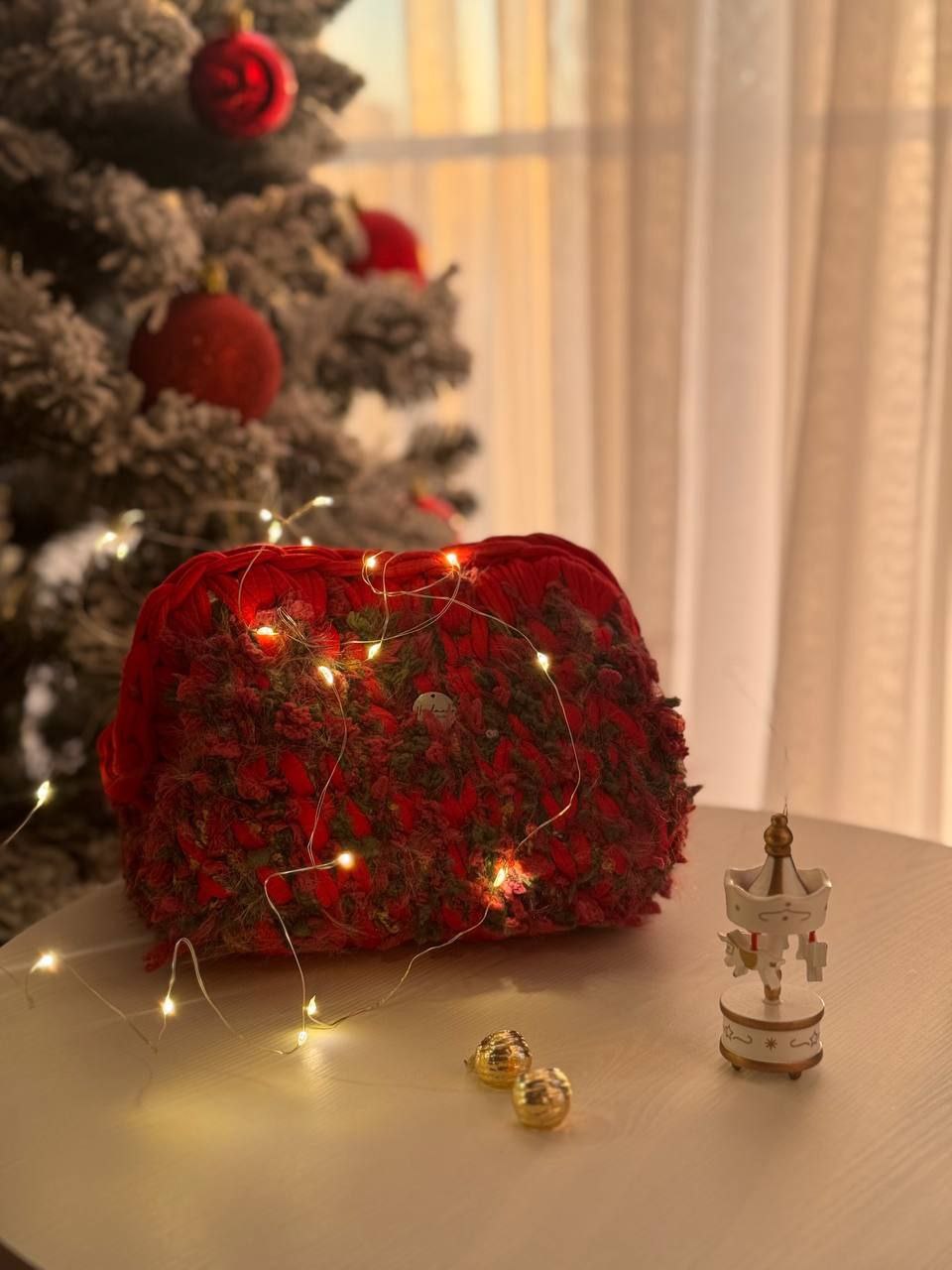
Visually, bouclé fabric looks fuller than the same gauge made in a plain yarn. The loops soften stitch edges and create a cozy, tactile finish. This is useful when the goal is texture first rather than sharp stitch definition.
Practically, bouclé yarn can help simple patterns feel more complete. Stockinette, garter, basic crochet stitches, and straightforward panels can all benefit from the yarn’s built-in surface interest.
Our in-house twisted bouclé styles combine bouclé loops with other decorative effects such as mohair-type halo and contrast knots. This creates different levels of softness, density, and surface definition across the range. You can see the current styles in our fancy yarn catalog.
Another useful point is wash performance. In our in-house wash tests, our yarn keeps its color and does not shed after washing. If you want more detail on that, see our article on colorfast yarn and wash-test results.
Best Uses for Fancy Yarn in Hand Knitting and Crochet
Fancy yarn works best when texture is part of the project’s purpose. That does not mean the pattern has to be complicated. In many cases, the opposite is true.
Cardigans are a natural fit. Bouclé adds softness and visible body, so even a simple shape can feel special. The same idea works well for relaxed outer layers and cozy everyday pieces.
Blankets are another strong match. Textured yarn can make a blanket feel plush and visually warm, even when the construction is straightforward.
Bags and accessories benefit from the tactile look of fancy yarn. A looped or halo-rich surface gives these smaller projects more presence, which is useful when you want the yarn itself to stand out.
Slippers, pet clothing, and planters are also good categories for bouclé yarn. These projects often rely on touch and appearance as much as stitch definition, so a textured strand can be a strong advantage.
Home decor is a broad area where fancy yarn works well too. Cushions, soft storage accents, decorative covers, and similar items can all benefit from a fuller, more dimensional surface.
How to Choose Fancy Yarn for Your Project or Shop
When comparing fancy yarn, it helps to look at four practical points: texture effect, plies, meterage, and composition. These details shape how the yarn feels in the hand and what kinds of projects it suits best.
1. Start with the texture effect
Ask what role the yarn should play. Do you want obvious loops, a softer halo, or stronger contrast details. If the yarn is meant to carry a simple design, a more visible surface effect often makes sense.
2. Compare plies
Plies can change the look and density of the yarn. In our current bouclé catalog, for example, stock styles range across different ply structures, from lighter-looking options to fuller, denser ones. A style such as 020 Forest Moss uses 3 plies and 45 m per 130 g ball, while 035 Bordeaux Bouquet uses 8 plies and 50 m per 130 g ball.
That does not mean one is universally better. It simply means they create different results. If your goal is a chunkier, more substantial texture, you may lean toward a fuller structure. If you want a little more length from the same ball weight, another construction may fit better.
3. Check meterage against project size
Fancy yarns can vary a lot in length per ball, even when the ball weight is the same. In our current in-house twisted bouclé range, examples include 032 Crème Brûlée at 40 m per 130 g ball, 002 Red Velvet at 57 m, and 034 Blush Beige at 80 m.
For an individual maker, meterage helps estimate how many balls may be practical for a cardigan, blanket, bag, or accessory. For a shop, it helps shape customer expectations about project planning and yarn substitution.
4. Look at composition and feel
Our current bouclé catalog centers on polyester/acrylic blends, with current in-house twisted styles listed at 80% polyester and 20% acrylic. This blend supports decorative texture and softness in the finished yarn.
It is also worth checking quality controls when texture is involved. We carry out manual twist inspection and check length tolerance, weight, color, and composition before shipment. You can read more in our article about yarn quality control in our mini-factory.
If you are a knitter or crocheter buying for yourself, the easiest route is often to start with the project type you already have in mind, then compare texture and meterage. If you are a shop owner, think in terms of use cases: which bouclé structure will be easiest for your customers to understand and enjoy.
From Samples to a Trial Order
For wholesale buyers, fancy yarn usually makes the most sense when you can see the texture in person before committing to a larger run. This is especially true for bouclé yarn, where loops, halo, and contrast details are easier to judge by hand.
We offer free samples of stock styles, with shipping paid by the buyer only. For stock yarn, the trial-order MOQ is 10 balls. If you are testing whether a certain bouclé structure fits your shop, that can be a practical place to start.
For custom work, we also support OEM/ODM services, private label, custom length or weight, Pantone matching, and composition adjustment. The MOQ depends on the type of customization: custom length or weight starts from 500 balls; private label and Pantone color from 1,000 balls; and custom composition from 4,000 balls.
Stock colors ship from our warehouse within 5 days, while custom orders ship within 25 days. For wholesale inquiries, samples, or service details, you can contact us through our wholesale contact page. If you want to see our service options first, visit OEM and private label services.
FAQ
What is the difference between fancy yarn and bouclé yarn?
Fancy yarn is the broad category. It includes yarns with decorative texture such as loops, halo, knots, or other surface effects. Bouclé yarn is one specific type within that category, recognized mainly by its looped surface.
What are the main fancy yarn types buyers should know?
The most practical groups to know are bouclé yarn, halo yarns, knotted or nubbed yarns, slub-style textured yarns, and mixed-effect novelty yarns. For most shops and makers, bouclé is one of the clearest and most versatile entry points.
Which projects work best with bouclé yarn?
Bouclé yarn works especially well for cardigans, blankets, bags, slippers, pet clothing, planters, accessories, and home decor. It suits projects where texture and softness matter more than crisp stitch definition.
Can I request samples or place a small trial order before a custom order?
Yes. For wholesale buyers, we offer free samples of stock styles, with shipping paid by the buyer only. The trial-order MOQ for stock yarn is 10 balls. If you later need custom length or weight, private label, Pantone color, or composition adjustment, the MOQ will depend on the custom option.
If you would like to try bouclé yarn for your own project, you can visit our retail shop and order a ball or two with worldwide shipping. If you have questions about texture, project fit, or the current range, write to us and we will be glad to help.