What Is Fancy Yarn? Types, Structure and Uses
Fancy yarn is a broad category that covers any yarn deliberately engineered to have an irregular or decorative surface structure. Unlike plain spun yarn, which aims for a smooth, consistent strand, fancy yarn builds in intentional variation — loops, knots, halos, slubs, or tufts — as part of the twisting process itself. If you are sourcing yarn for a product line and want texture to do the visual work, understanding fancy yarn types is the right place to start.
How Fancy Yarn Is Made: The Role of Twist and Plies
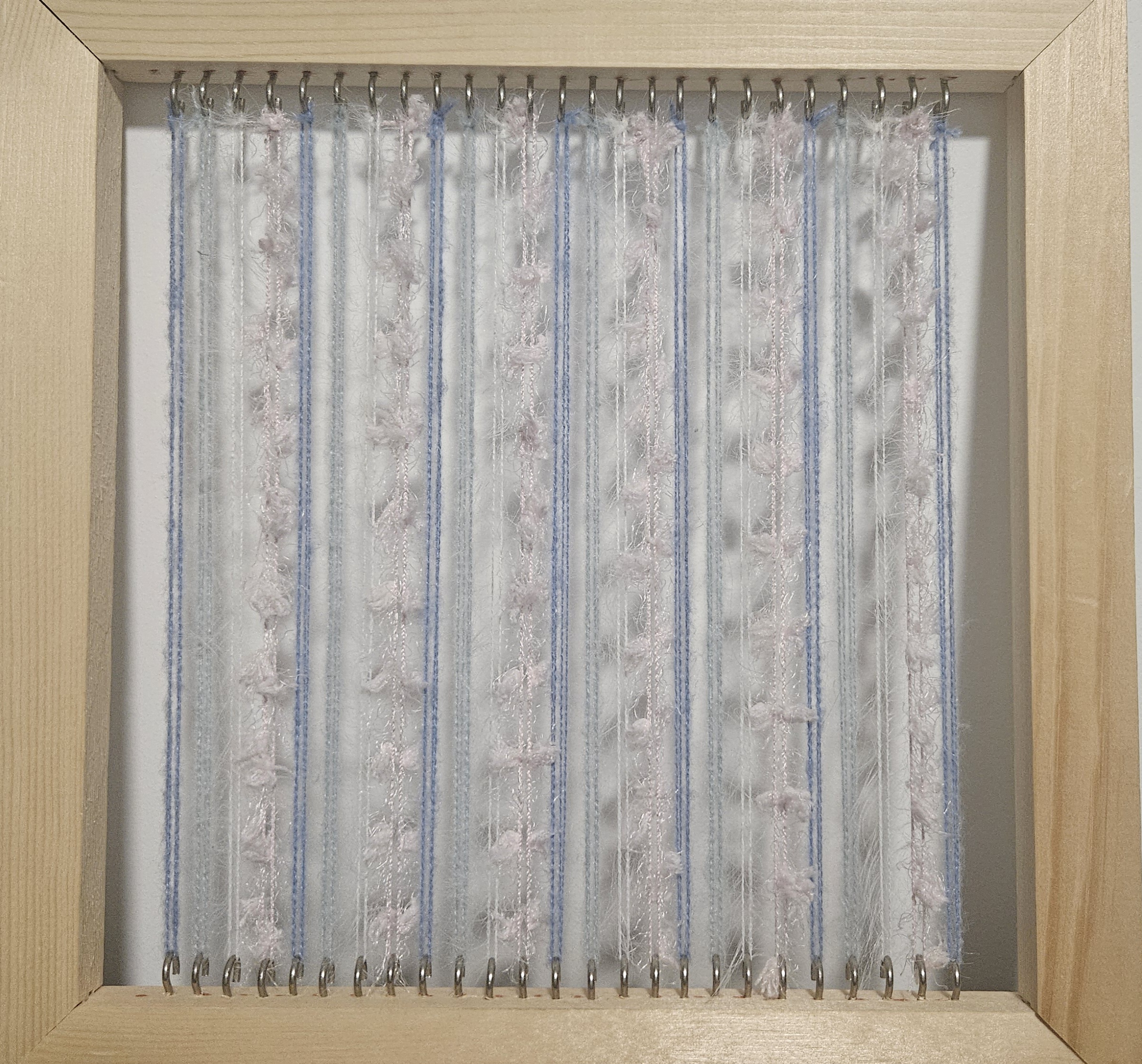
Most fancy yarn is constructed from at least two strands twisted together under controlled tension. One strand — the core — provides structural stability. A second strand, fed at a different rate or angle, creates the surface effect: a loop, a knot, or a soft cloud of fiber. A third strand is often used to bind everything in place.
The number of plies directly affects the yarn’s weight, drape, and how pronounced the surface texture is. A 3-ply construction tends to produce a lighter, more open structure. An 8-ply construction is denser and heavier, with a fuller hand feel. Meterage per ball is the practical number to watch: it tells you how far the yarn goes per unit of weight, which affects how many balls a finished product requires.
At Lamur, all yarn is twisted in-house at our mini-factory in Suifenhe, Heilongjiang, China. Each batch goes through manual twist inspection, and length tolerance is held to ±2%. Weight, color, and composition are checked before every shipment.
Main Types of Fancy Yarn
The term “fancy yarn” — sometimes called novelty yarn, or occasionally fantasy yarn as a synonym — covers several distinct structures. Here are the most common ones wholesale buyers encounter.
Bouclé Yarn
Bouclé is the most recognized type of fancy yarn. The effect yarn is fed faster than the core, forming small, closed loops along the surface. The result is a bumpy, curled texture that is visually rich and pleasant to touch. Bouclé yarn is the foundation of our catalog at Lamur, and it works across a wide range of end products.
Loop Yarn
Loop yarn is closely related to bouclé but typically produces larger, more open loops. The surface is more exaggerated and the yarn can feel lighter despite its visual bulk. It is popular for accessories and home decor where a bold texture is the design goal.
Knop and Knot Yarn
Knop yarn contains deliberate, spaced clusters or knots along the strand — contrast points of color or fiber that interrupt the base. These knots are formed by wrapping extra fiber tightly at intervals during twisting. The effect reads as a speckled or spotted surface in the finished fabric.
Halo and Mohair-Type Yarn
Halo yarn has fine fibers that stand away from the core strand, creating a soft, blurred outline around the yarn. Mohair-type constructions achieve a similar result using synthetic fiber engineered to mimic the brushed quality of natural mohair. The halo effect softens color and gives finished garments a misty, luxurious appearance.
Faux Fur Yarn
Faux fur yarn produces a dense, pile-like surface — long fibers attached to a core that fan out like fur when knitted or crocheted. It is polyester-based and used for items where warmth, softness, and visual impact matter: pet clothing, slippers, bag panels, and decorative home pieces.
Fiber Composition and What It Means for Your Products
The fiber blend determines how a finished product performs in real use. Our current catalog uses an 80% polyester / 20% acrylic blend across all stock colorways. This combination is chosen deliberately: polyester provides tensile strength and color retention, while acrylic contributes softness and reduces cost compared to all-polyester constructions.
In practical terms, this blend means the yarn keeps its color and does not shed after washing — confirmed through in-house wash tests. For wholesale buyers building a product line, that consistency matters. A blanket or cardigan that holds its texture and color after repeated washing reduces returns and protects your brand reputation.
Faux fur styles in the range are polyester-based. For buyers who need a different fiber ratio — for example, a higher acrylic content for a softer hand, or a specific blend to meet a target price point — composition can be adjusted on custom orders. The MOQ for a custom composition is 4,000 balls.
You can review the full fiber details for each colorway on our fancy yarn product catalog page.
What Can You Make with Fancy Yarn?
The surface texture of fancy yarn does a lot of the design work, which makes it efficient for product makers who want visual impact without complex construction. The applications below reflect what our wholesale buyers actually produce.
- Cardigans and knitwear: Bouclé cardigans have been a consistent commercial category. The looped surface adds dimension without requiring pattern complexity.
- Blankets and throws: Chunky fancy yarn works up quickly into blankets with a high-end look. The texture reads well in product photography.
- Bags and totes: Structured bags made with fancy yarn stand out at retail. The yarn holds shape well when worked at the right tension.
- Pet clothing: Small garments for dogs and cats are a growing product category. Soft, washable fancy yarn is well suited to this use.
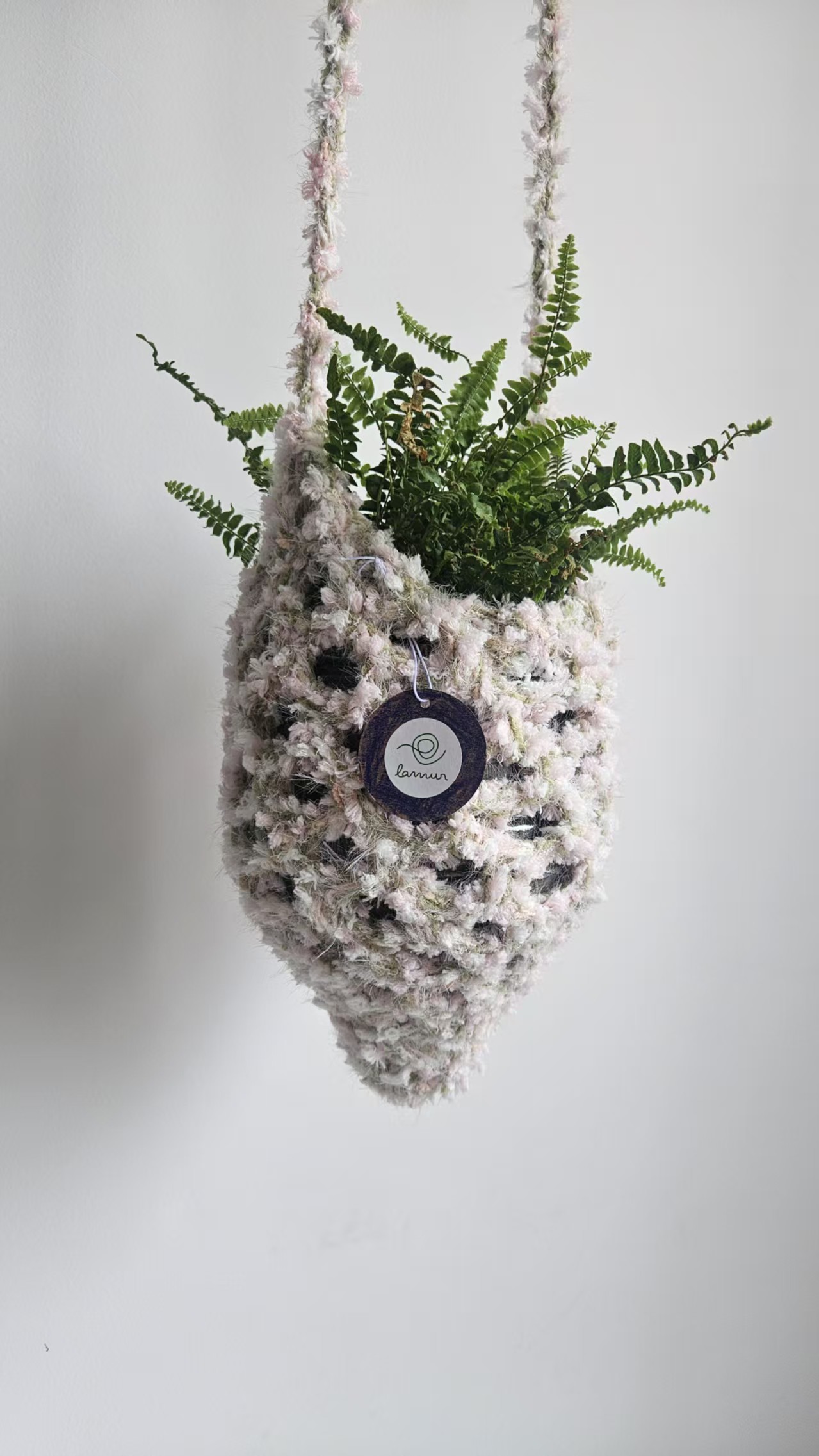
- Home decor and planters: Crocheted or knitted planters, baskets, and decorative covers are popular in the home goods market. Fancy yarn adds texture that plain yarn cannot replicate.
- Slippers and footwear accessories: Faux fur and loop yarns are used for slipper uppers and clog covers where softness and visual warmth are the selling point.
How to Choose the Right Fancy Yarn for Wholesale
When you are selecting fancy yarn for a product line rather than a single project, a few technical details matter more than aesthetics alone.
Meterage per ball determines yield. Lower meterage means a thicker, heavier yarn that works up faster but requires more balls per finished item. In our catalog, meterage ranges from 45 m to 75 m per 130 g ball depending on the colorway and ply count. A cardigan will consume more balls of a 45 m yarn than a 75 m yarn — factor this into your cost-per-unit calculation.
Ply count affects structure. Our catalog runs from 3-ply to 8-ply constructions. Lower ply counts suit lighter accessories; higher ply counts are better for items that need body and weight.
Texture intensity is a product decision. A dense bouclé loop reads as premium knitwear. A subtle halo reads as soft and wearable. Match the texture to what your end customer expects to see and feel.
Colorway should align with your market season. Stock colorways are available for immediate dispatch — orders ship from our warehouse within 5 days. Custom Pantone-matched colors are available with an MOQ of 1,000 balls and ship within 25 days.
For a full overview of OEM, private label, and custom options, see our wholesale services page.
How to Start with a Fancy Yarn Supplier: Samples and Trial Orders
The practical first step is to request a sample kit. For potential distributors, we prepare sample kits across our current catalog colorways so you can assess texture, weight, and color accuracy before committing to stock. The cost of the sample kit is deducted from your first order.
If you are ready to test a specific colorway in production, our stock MOQ is 10 balls — a low-commitment starting point that lets you make a finished sample and validate the product before scaling. Stock orders ship within 5 days from our Suifenhe warehouse. We export via rail and sea routes from Suifenhe, Dalian, and Shanghai, with EXW, FOB, and DDP Incoterms available depending on your logistics setup.
Before placing a larger order, check three things: how the yarn behaves at your preferred hook or needle size, how the finished item holds up after washing, and whether the colorway photographs well for your sales channel. These are the details that determine whether a yarn works for your business, not just your samples.
Partners also receive product information, photos, renders, and finished-work examples to support their own content and sales materials.
Payment terms are T/T with a 50% deposit and 50% before shipment. Export cartons hold 120 balls at approximately 16 kg, palletized for sea freight.
FAQ
What is the minimum order quantity to try fancy yarn before committing to a large purchase?
The minimum order for stock colorways is 10 balls. This is intentionally low so that yarn shops, small brands, and product makers can test a colorway in an actual finished item before placing a larger wholesale order. Stock orders ship from our warehouse within 5 days.
Can I order fancy yarn in a custom color to match my brand palette?
Yes. We offer Pantone color matching on custom orders. The MOQ for a Pantone-matched color is 1,000 balls, and custom orders ship within 25 days. If you have a specific brand color, share the Pantone reference when you contact us and we will confirm feasibility.
What is the difference between bouclé yarn and other types of fancy yarn?
Bouclé yarn is defined by its closed, curled loops formed when the effect strand is fed faster than the core during twisting. Other fancy yarn types — such as knop, halo, or faux fur — use different structural techniques to create different surface effects. Bouclé tends to produce a dense, bumpy texture, while halo yarn creates a soft blurred outline and faux fur produces a pile-like surface. The right type depends on the product you are making and the texture your end customer expects.
How does fancy yarn hold up after washing — will the loops or halo shed over time?
Our 80% polyester / 20% acrylic blend is tested in-house for wash performance. The yarn keeps its color and does not shed after washing. The polyester content is specifically what provides dimensional stability — the loops and surface texture hold their structure through repeated wash cycles. We recommend including care instructions with finished products, as with any textured yarn.
If you are ready to assess our fancy yarn range for your product line, the most direct next step is to request a sample kit or place a 10-ball trial order. Contact us at lamuryarn.com/contact and we will confirm availability, share the current catalog, and arrange dispatch.