

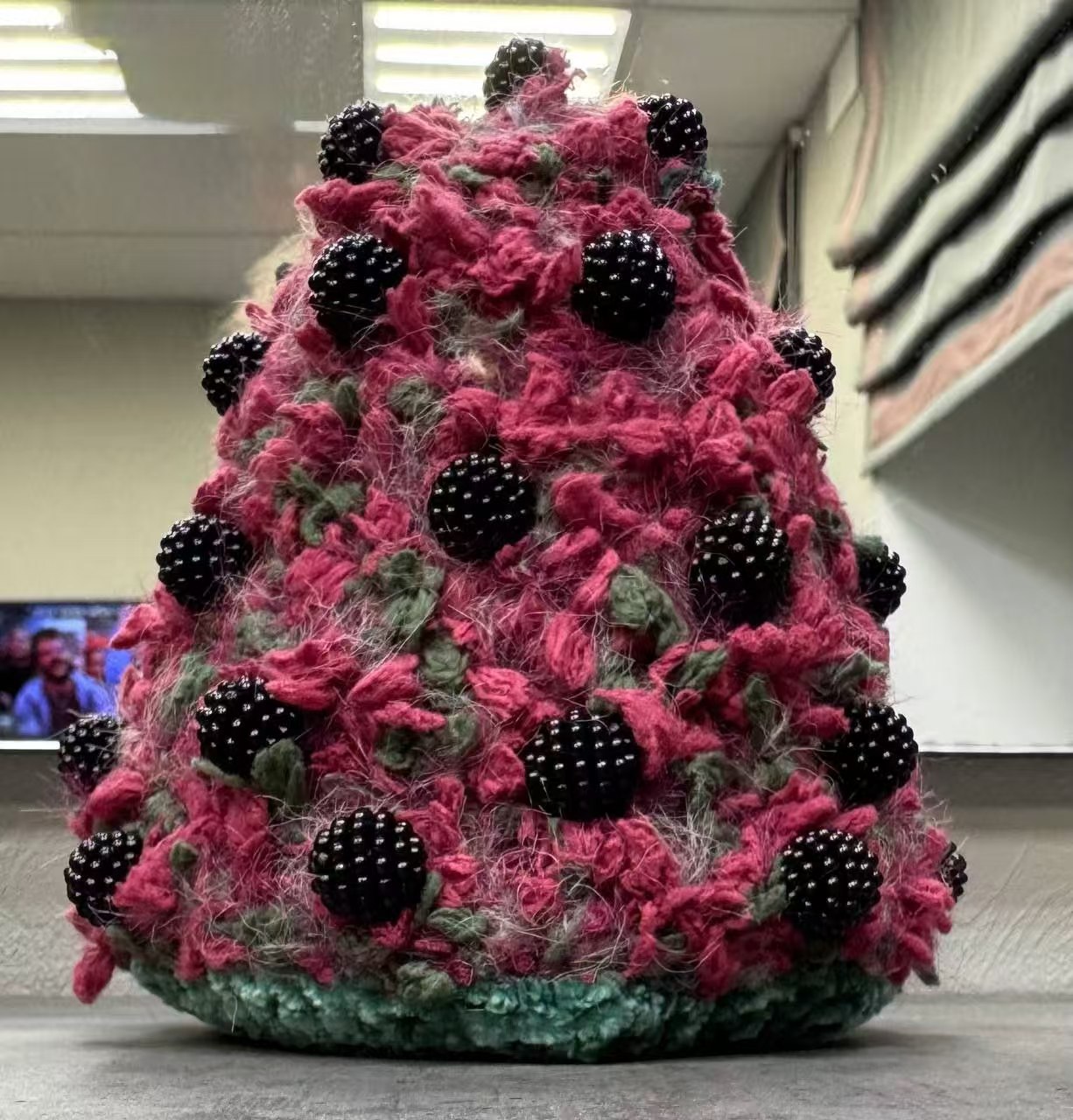
Why Yarn Quality Control Means Something Different at Mini-Factory Scale
Yarn quality control is a phrase that gets used a lot in wholesale conversations. But what it actually means — the specific checks, the tolerances, the moment in the process when something gets caught — varies enormously depending on how a factory is set up. I started Lamur because I kept finding problems in fancy bouclé yarn I sourced: uneven loops, color that shifted between batches, balls that were noticeably lighter than labeled. Those problems were rarely caught before shipment.
Working at mini-factory scale in Suifenhe changes what is possible. We are not running thousands of balls through a line and sampling at the end. Every batch goes through the same set of checks before it leaves our warehouse. This article walks you through exactly what those checks are, so you can decide for yourself whether our process meets your standards as a wholesale buyer.
If you are new to fancy yarn and want to understand the structure of bouclé yarn before reading about how we test it, the article What Is Fancy Yarn? Types, Structure and Uses is a good starting point.
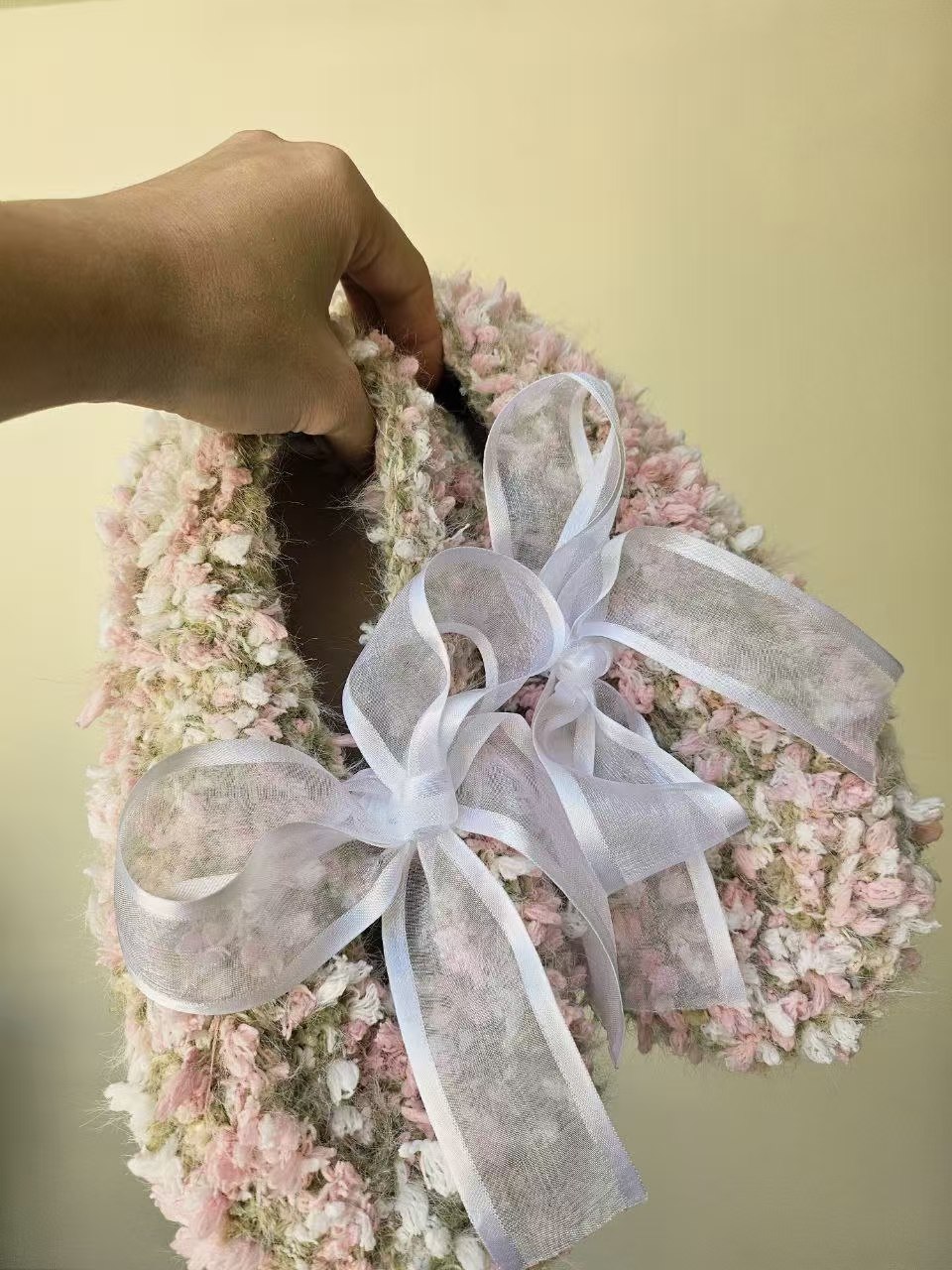
What We Actually Check: The Four Pre-Shipment Tests
Before any batch ships, every ball goes through four specific checks. These are not optional steps for large orders — they apply to every shipment, including trial orders.
1. Ball Weight: 130 g ± 2 g
Each ball is weighed against our standard of 130 g, with a tolerance of ± 2 g. A ball that falls outside that range does not ship. For buyers selling by ball or building patterns around a stated weight, this matters. A consistent weight means consistent yardage per ball and consistent results for your customers.
2. Length Tolerance: ± 2%
We check that the meterage per ball stays within ± 2% of the stated length for each colorway. Our stock styles range from 45 m to 75 m per ball depending on the style — you can see the full breakdown on the products page. A length that drifts outside tolerance means a knitter or crocheter runs short mid-project. We catch that before it becomes your problem.
3. Color Consistency
We check color against the reference for that colorway across the batch. The goal is that every ball in a carton reads as the same color under consistent lighting. For buyers placing repeat orders, we also check new production against the previous batch reference so the colorway does not drift over time.
4. Composition Verification
Our current stock bouclé yarn is 80% polyester / 20% acrylic. We verify that the composition of each batch matches the specification before it ships. This is especially important for buyers who need to label their finished products accurately for retail.
Manual Twist Inspection: What It Is and Why It Matters for Bouclé Yarn
Bouclé yarn has a structure that automated checks can miss. The loops, the halo, the contrast knots — these are what make fancy yarn visually distinctive. They are also where quality problems hide.
Manual twist inspection means we physically examine the yarn for structural consistency. We are looking for uneven loop spacing, loops that are too loose or too tight, knots that have not formed cleanly, and halo that is patchy rather than even along the length. These are the kinds of defects that only become obvious when a ball is wound into a finished piece — a bag, a cardigan, a blanket — and by then it is too late.
Because we twist our bouclé yarn in-house, we have direct control over the twist process and can catch problems at the source rather than after the fact. Manual inspection is the step that confirms the twist held the way it should across the whole batch.
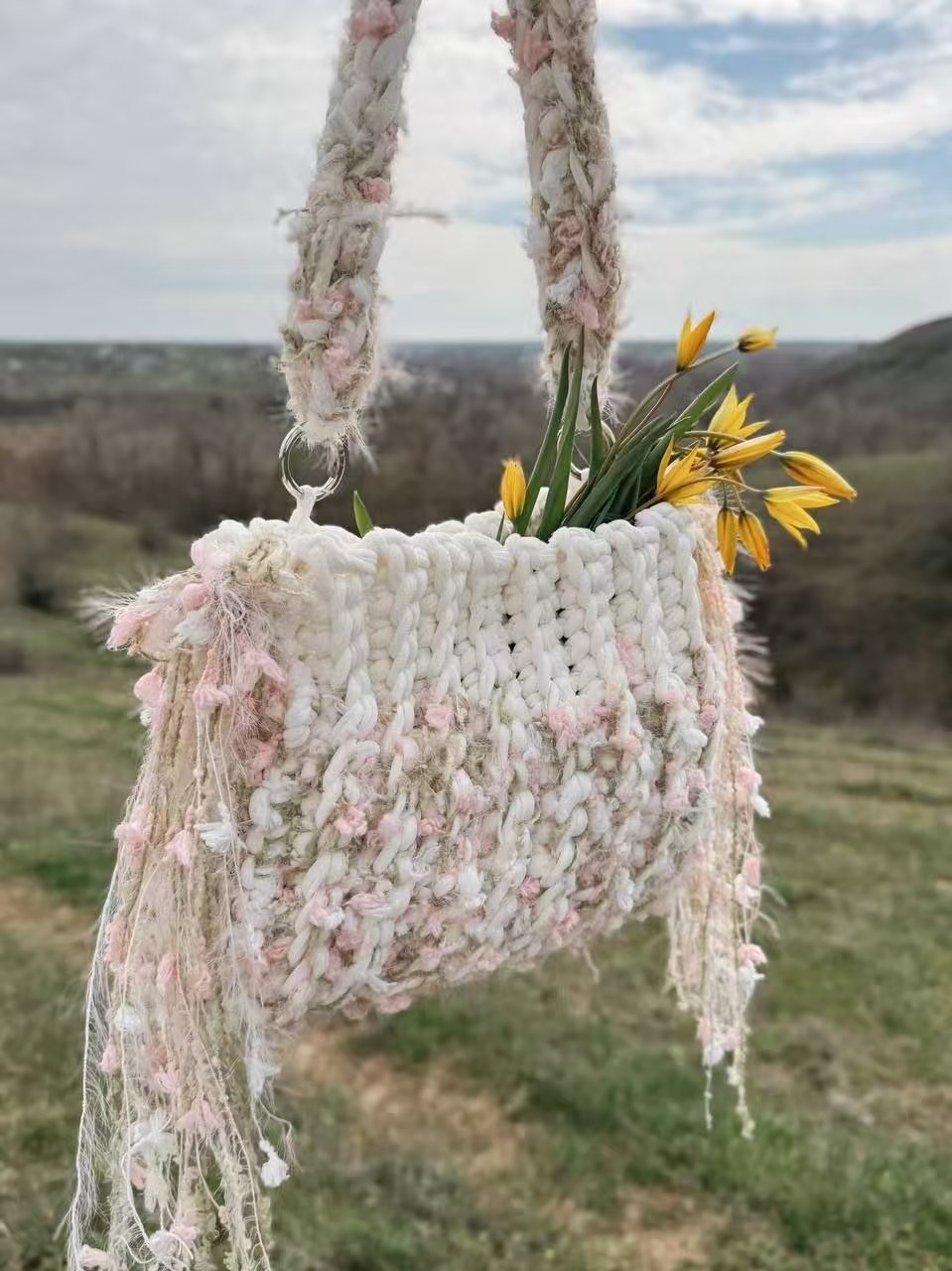
How We Test Wash Performance Before a Ball Leaves the Warehouse
One of the most common complaints buyers pass on from their customers is that a fancy yarn shed or lost color after washing. It is a legitimate concern with any textured yarn, and it is something we test for directly.
Before a batch ships, we run in-house wash tests to confirm two things: the color stays stable after washing, and the yarn does not shed. A ball that fails either check does not go into a shipment.
For your customers, this means that a cardigan, a pet garment, a pair of slippers or a decorative planter cover made from our bouclé yarn can be laundered without the color running or the surface leaving fibers everywhere. That is the kind of performance claim you can stand behind when you sell finished products or yarn to makers.
Our faux fur yarns, which are polyester-based, go through the same wash testing process.
How QC Applies to Custom Orders (Pantone, Weight, Composition)
The same four pre-shipment checks — weight, length, color, composition — apply to custom orders. The reference point changes, but the standard does not.
For Pantone color matching, we work from the Pantone reference you provide and check the finished batch against it before shipment. The MOQ for Pantone custom colors is 1,000 balls.
For custom ball weight or length, we adjust the production specification and then hold the same ± 2 g and ± 2% tolerances against your new target. The MOQ for custom weight or length is 500 balls.
For custom composition, we verify the adjusted blend before production and again before shipment. The MOQ for a custom composition change is 4,000 balls.
Manual twist inspection and wash testing apply to custom batches the same way they apply to stock. If you are considering a custom order, the services page covers OEM, ODM, private label and the full range of customization options in detail.
See the Quality for Yourself: Free Samples from Stock
Reading about quality checks is useful. Holding the yarn is better.
We offer free samples of our stock bouclé yarn styles. You pay only the air freight cost, which we quote by postal code. Once you have a sample, you can run your own checks — weigh the ball, measure the length, wash it, examine the twist. That is exactly what I would do before committing to a supplier, and I want you to do the same with us.
Stock orders start at 10 balls, so a trial order is a low-commitment way to test the yarn in your own production or retail context before scaling up. Stock colors ship from our warehouse within 5 days. You can see the current colorways and specifications on the products page.
To request samples or ask about a trial order, reach out through the contact page, by email at info@lamuryarn.com, or on WhatsApp/Telegram at +86 15158953025.
FAQ
What tolerances do you hold on ball weight and yarn length?
Each ball is held to 130 g ± 2 g on weight and ± 2% on stated length. Both checks are applied to every batch before shipment, including trial orders. Balls that fall outside either tolerance are not included in the shipment.
How do I know the color I see in photos will match what I receive?
We check every batch against the colorway reference before it ships. For repeat orders, we also compare new production against the previous batch to prevent drift. The most reliable way to confirm color for your specific context — your lighting, your photography setup, your customer expectations — is to request a free sample before placing a wholesale order.
Can I get a sample to test quality before placing a wholesale order?
Yes. We offer free samples of stock bouclé yarn styles. You cover the air freight cost, which we quote by postal code. There is no minimum on samples. After testing, stock orders start at 10 balls as a trial order. Contact us through the contact page or on WhatsApp/Telegram at +86 15158953025 to get started.
Do your quality checks apply the same way to custom compositions and Pantone colors?
Yes. The four pre-shipment checks — weight, length, color consistency, and composition verification — apply to all custom orders. For Pantone orders, we check the finished batch against your Pantone reference. For custom compositions, we verify the blend before production and again before shipment. Manual twist inspection and wash testing also apply to custom batches. MOQs for custom options vary: 500 balls for custom weight or length, 1,000 balls for Pantone color or private label, and 4,000 balls for custom composition.