When people search for boucle history, they are usually trying to connect two related ideas: the origin of bouclé as a fashion texture and the reason bouclé yarn still feels current in handmade work. The short answer is that bouclé is not just a fiber type. It is a surface effect: loops, irregular texture and soft visual depth. That same effect can appear in fabric and in yarn, which is why the boucle trend has moved so naturally from clothing and interiors into knitting and crochet.
For hand knitters, crocheters and yarn shops, that history matters because it explains demand. Bouclé keeps returning because texture changes how a project looks and feels, even when the basic shape is simple. For a retailer or wholesale buyer, understanding that helps with better product selection.
What Bouclé Means in Textile Terms
In textile terms, bouclé refers to a looped or curled surface effect. The word is used most often for fabrics and yarns that show visible texture rather than a flat, smooth finish. That texture may look soft, nubby, cloud-like or slightly curly depending on how the material is made.
In bouclé fabric, the effect appears across the woven or knitted surface. In bouclé yarn, the effect starts in the yarn structure itself, where loops and other fancy details create texture before the yarn is even made into a project. The visual idea is shared: depth, softness and movement on the surface.
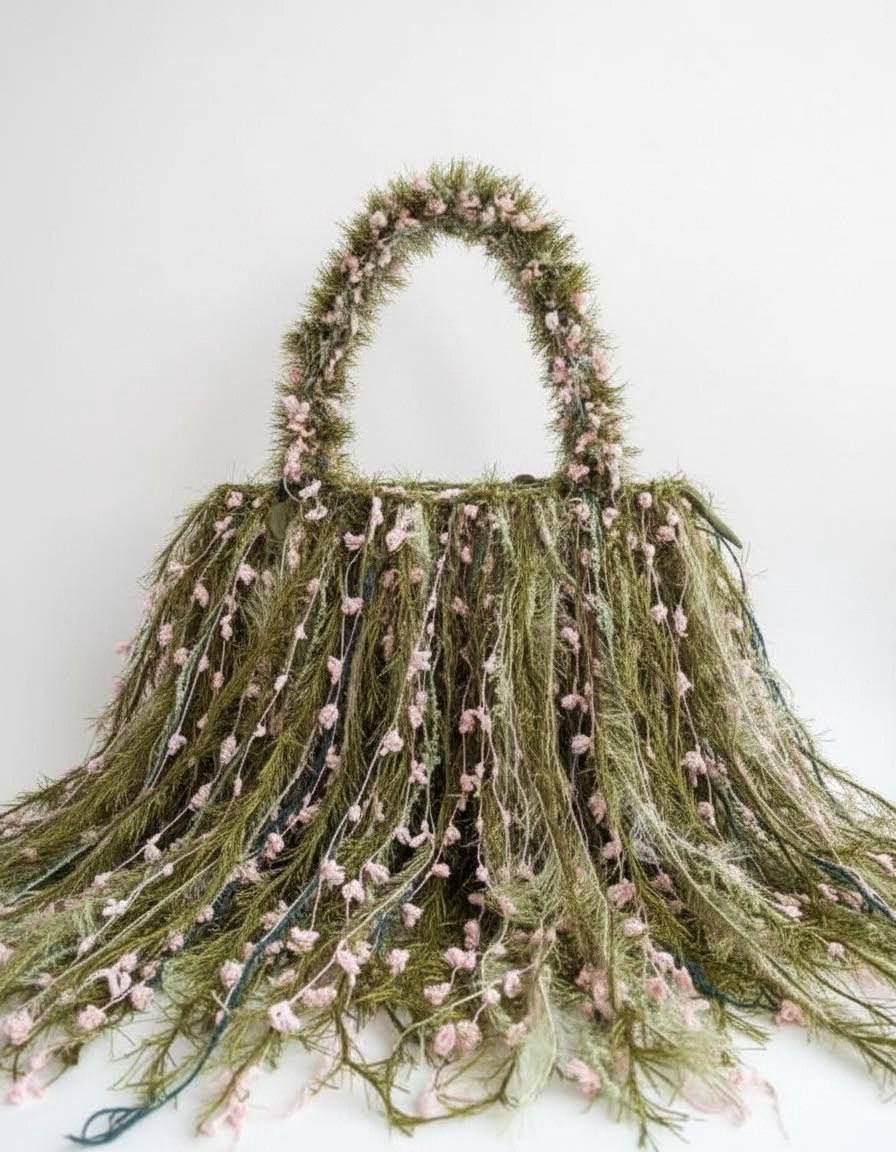
This is why bouclé belongs within the wider category of fancy yarn. The value is not only color or fiber content. It is also structure. A looped yarn can turn a basic cardigan, bag or blanket into something more tactile and more decorative with relatively simple stitches.
The Origin of Bouclé in Fashion and Fabric
When people ask about bouclé fabric origin, they are usually referring to its place in fashion and tailoring. In general terms, bouclé became known as a textured fabric associated with soft structure, comfort and visual richness. Rather than relying on print or shine, it creates interest through its uneven surface.
That matters because bouclé was never only a passing novelty. Textured cloth has long appealed to designers and makers because it adds dimension while remaining wearable. A looped surface can soften outlines, catch light differently from smooth fabric and make even quiet colors feel fuller.
For buyers, the useful point is not one exact date or one single source. It is the design logic behind the material. Bouclé answers a recurring need in fashion: people want fabrics that feel cozy, distinctive and easy to style. Those same reasons later supported the move into handmade yarn.
How the Bouclé Look Moved Into Handmade Yarn
Textile ideas often move from one category to another. A look that works in fashion fabric can later appear in upholstery, accessories, home decor and yarn. Bouclé is a clear example of that kind of crossover because its appeal comes from texture, not only garment construction.
Once knitters and crocheters began looking for more expressive surfaces, bouclé yarn became a natural handmade version of the same idea. Instead of buying a finished textured fabric, makers could build that texture directly into the project. This gave them more freedom over shape, color placement and stitch style.
That shift also fits the logic of handmaking. Many crafters want yarns that do some visual work on their own. Bouclé loops, halo effects and contrast details can create a strong result without requiring complex patterns. In other words, the yarn becomes part of the design language.
At Lamur Yarn, our own bouclé styles focus on that decorative structure. We work with fancy bouclé yarn twisted in-house, using combinations such as bouclé loops, mohair-type halo and contrast knots. Those elements give the yarn a finished look before it reaches the needles or hook.
Why Bouclé Became Popular With Knitters and Crocheters
Bouclé yarn remains popular for both practical and visual reasons. First, it offers softness and volume. A textured yarn can make a project feel fuller and warmer-looking, even with straightforward construction. Second, it gives handmade work a more styled finish, which is especially helpful for gift items and small-batch products.
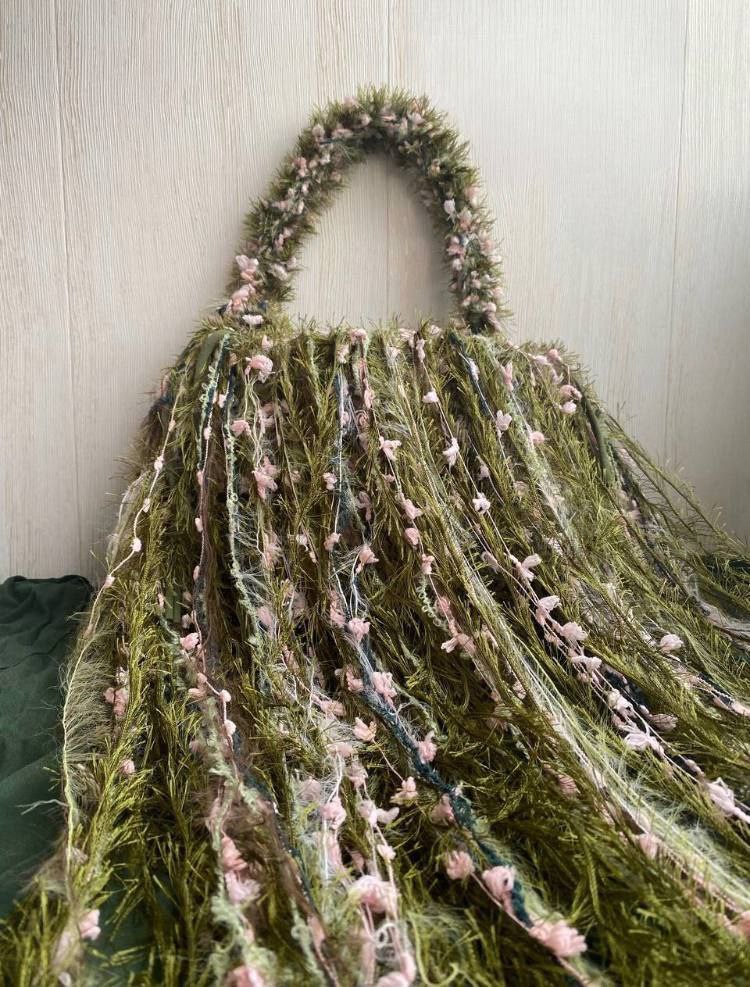
It also works across many categories. Cardigans and blankets are obvious choices, but they are not the only ones. Bouclé yarn is also useful for bags, pet clothing, slippers, planters and home decor because the surface itself adds personality.
For small projects, that is a real advantage. A simple bag shape can become more decorative when the yarn has loops and halo. A planter cover can look softer and more intentional. Pet clothing can feel playful without needing complicated colorwork.
There is also a practical retail reason behind the boucle trend in handmade products: textured yarns are easy to understand on sight. Customers often respond quickly to touchable, visible texture. Smooth yarn may require more explanation. Bouclé usually communicates its purpose immediately.
If you want project inspiration, we covered more product directions in this guide to what to make with bouclé yarn. It is especially useful for shops choosing examples to display.
The Boucle Trend Today: Texture, Softness and Statement Color
The current boucle trend fits a broader preference for tactile materials. People continue to look for yarns and fabrics that feel cozy, comforting and visually rich. Bouclé answers that preference well because it gives depth without needing heavy patterning.
Color also plays an important role. With bouclé, color does not sit on a flat surface. It interacts with loops, halo and shadow. That can make soft neutrals feel plush and make stronger shades look even more expressive.
In our current catalog, for example, different constructions create different results even when the product family is related. A style such as 034 Blush Beige at 80 m per 130 g ball reads differently from 032 Creme Brulee at 40 m per 130 g ball because surface density changes the finished effect. Shades like 002 Red Velvet, 035 Bordeaux Bouquet or 037 Lemon Mousse show how decorative color and bouclé texture can support each other.
Not every customer wants the same type of bouclé, and that is one reason the trend has lasted. Some prefer compact, plush texture for blankets and slippers. Others want lighter decorative texture for cardigans, scarves or bags. Bouclé is flexible enough to cover both ends of that range.
What Buyers Should Look For in Bouclé Yarn
History is useful only if it helps with selection. Whether you buy one ball for a personal project or choose stock for a yarn shop, the main question is the same: what kind of bouclé effect are you actually getting.
1. Loop character
Start with the loops themselves. Are they small and tight, larger and more open, or mixed with other textured details. Loop size changes the final appearance and the level of definition in the knitted or crocheted fabric.
2. Surface effects beyond loops
Some bouclé yarns are only looped. Others combine loops with halo or contrast accents. That layered structure can make the yarn feel richer and more decorative, especially in simple project shapes.
3. Composition
Composition affects handle, durability and use. Our current core bouclé catalog includes polyester/acrylic blends, including 80% polyester / 20% acrylic styles. In custom development, composition can be adjusted, but for ready selection the important point is to match the yarn to the intended product category.
4. Finished-use suitability
A yarn that looks attractive in a ball should also suit the end use. Some constructions are better for cardigans and blankets, while others work well for bags, slippers, pet clothing or planters. Meterage and ply structure help shape that decision. For example, our stock styles vary in length and plies, which changes coverage and texture density.
5. Wash behavior
Textured yarn must still perform after washing. In our in-house wash tests, our yarn keeps its color and does not shed after washing. For many buyers, especially those making wearable or giftable items, that is a key part of confidence.
6. Quality consistency
With bouclé, consistency matters because irregular texture should still be controlled. At Lamur Yarn, we carry out manual twist inspection and check length tolerance, weight, color and composition before each shipment. If you want more detail on that process, see our yarn quality control overview.
For knitters buying for personal use, these same points still apply on a smaller scale. Look at texture density, touch, project fit and care behavior, not only color. Bouclé is most satisfying when the structure matches the purpose.
Starting With the Right Bouclé Style
For most buyers, the best first step is not abstract trend analysis. It is choosing a bouclé style that fits the project clearly. Dense plush texture may be right for blankets, slippers and cozy accessories. A lighter, more open structure may suit cardigans, scarves or decorative bags better.
Our mini-factory is in Suifenhe, Heilongjiang, China, and we focus on fancy bouclé yarn with looped texture and decorative surface effects. If you want to explore the current range, you can browse our product catalog or go directly to the shop for retail orders in small quantities.
If you have questions about a specific yarn, you can also write to us through our contact page. We are happy to help you compare textures and choose a suitable option for your project or shop selection.
FAQ
What is the difference between bouclé fabric and bouclé yarn?
Bouclé fabric is a finished textile with a looped or textured surface. Bouclé yarn is the yarn itself made with loops or related fancy effects, so the texture is built into the material before knitting or crochet begins. The shared idea is the same: visible surface texture and softness.
Why has the boucle trend stayed popular in handmade products?
Because it combines comfort and visual impact. Bouclé makes simple projects look richer, adds a soft tactile quality and works across clothing, accessories and home decor. It also suits the way many knitters and crocheters work, since the yarn can create interest without requiring very complex stitches.
How can a yarn shop test bouclé yarn before placing a larger order?
A yarn shop can start by evaluating texture, loop consistency, color behavior after washing and suitability for its core product categories. It also helps to knit or crochet a few small swatches and sample items, such as a bag panel, slipper upper or cardigan section, to see how the bouclé surface behaves in real use.
What order options are available if we want stock styles first and custom development later?
If you are planning wholesale or later custom work, the best next step is to contact us directly so we can guide you to the right path based on your goals. We can explain our current stock styles, in-house quality checks and broader service options in the appropriate buying process.
If you would like to try bouclé yarn yourself, visit our shop and order a ball or two with worldwide shipping, or write to us with any questions about texture, color or project fit.